Episode Transcript
[00:00:05] Speaker A: Booyah. And it's time for the Game Sports podcast. It is your host David McCaig Jr. Now we are back with the special edition uploads. Now this is special edition number 66. Okay. We haven't done a special edition upload in well over a year for the Game Sports Podcast and we're very excited to get back to it and it's been a big request from listeners and viewers and you patiently waited and you well are going to be well rewarded for who we're talking to today, especially with those in the Sault Ste. Marie area that are big Sioux Greyhounds followers, but ultimately even Detroit Red Wings fans, any kind of hockey fan, you're going to get a well, well rounded treat today. But without further ado, first and to get to the usual here giving shout outs to our powered buys and that is 91Network. 91N is a YouTube channel that you can head on over and check out as well as we're featured on Spaces which through Village Media and Sue today the Game Sports Podcast is located everywhere. Okay, you can find us if you want to search us on chat GPT. I tested that. We're on there. That's funny. If you want to do Spotify, you can do Apple Podcasts, Facebook, Instagram, TikTok to search all at the Game Sports Podcast and we're there. And don't hesitate to hit follow like subscribe. We always appreciate that. Now before we introduce the guest because you know I'm going to have my usual introduction, my wild intros as people like to chirp me about when I bring on the guests, I'm going to bring in first the co host who's joining his first special edition show.
And as his phone goes off, look, listeners are already tuning in ready to chirp him about the story I'm probably going to tell in a minute. Without further ado, bringing in Jordan Trudeau Trudes. How's it going man?
[00:01:43] Speaker B: Hey, thanks for having me on here, Dave. I'm excited for the for the 66 special edition here on the Game Sports Podcast. What a great number.
Number 66 is for, for hockey fans, 100%.
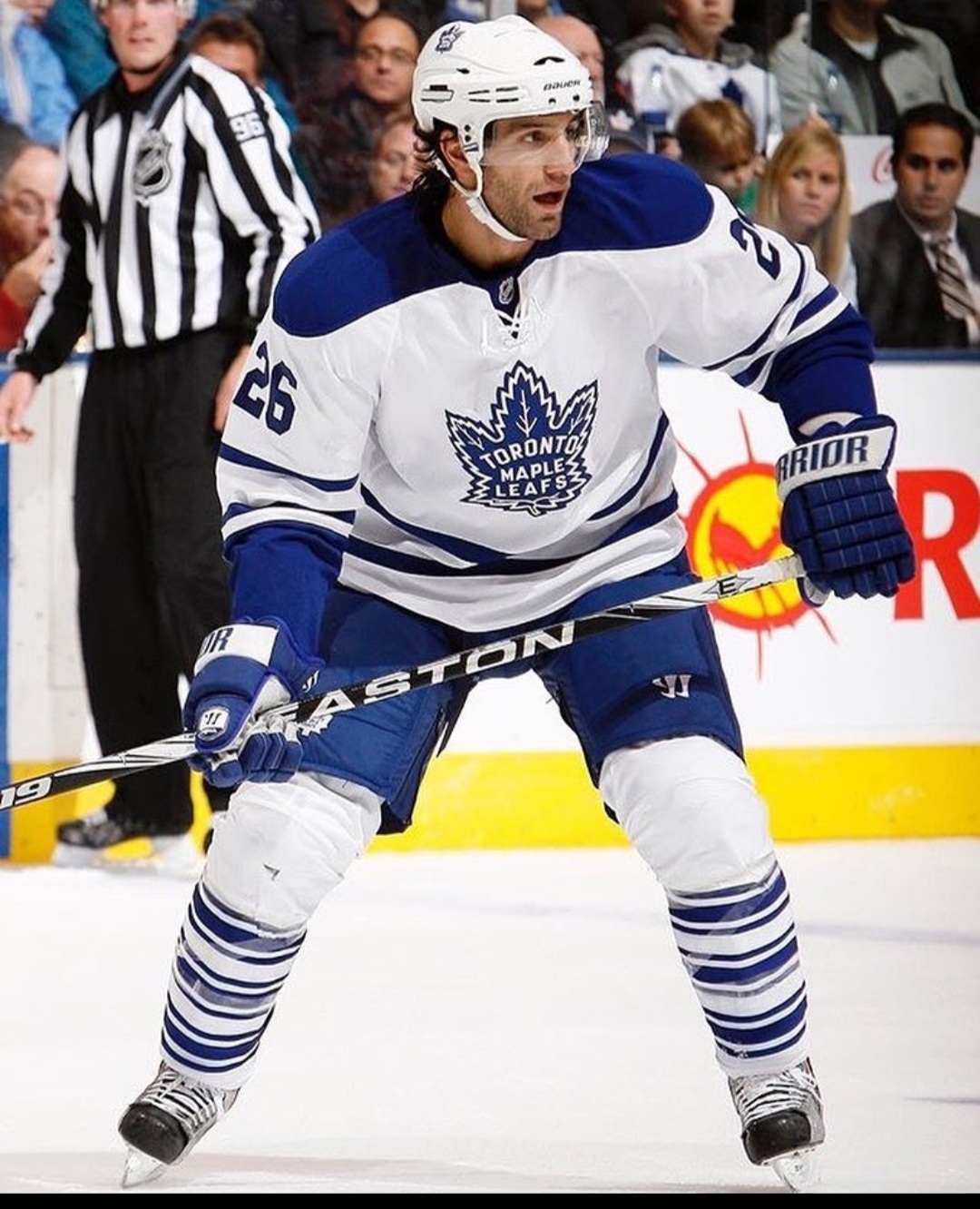
[00:01:57] Speaker A: And as I said, this is your first and you can listen to Jordan and I on the Chuck A. Puck segment where we talk about the major junior hockey leagues in particular, give a little bit of love to the Ohl Sioux Greyhounds. Now without further ado, this, this is going to feel refreshing. Okay, the getting to the guest who has joined us. If you're on video, you can see him right now. So I've already spoiled it, but I'm going to give them the introduction and I'm going to give you a spoiler. I didn't memorize this. I do have notes. Okay. I think I'm good, but I'm not that good to memorize, so. Born in Mississauga, Ontario, and also drafted by the Detroit Red Wings, second round, 55th overall in 2011. He was a star defenseman for the Sault St. Marie Greyhounds. Okay. He won OHL Defenseman of the Year. That. What else do you need to know? Pro career AHL with the Grand Rapids Griffins. He also played in the NHL with Detroit and also he played later in the KHL and now also represented in 2022 China in the 2022 Olympics. He is currently in Slovakia playing currently as of now, which this recording day is September 20, 2025.
He. Look, he is a stud of a defenseman. Okay. I would have loved to see him don the blue and white. Okay. I just wanted to make sure I throw that in there. But nonetheless, drafted by the Detroit Red Wings, OHL Defenseman of the Year, playing overseas, played in the Olympics. That's quite the resume. Without further ado, Ryan Sproul. Sproul, my friend, finally get to have you on here. Thanks for coming on. Yeah, that's. That deserves a clap, that resume.
[00:03:25] Speaker C: Thank you so much for having me.
[00:03:26] Speaker A: That.
[00:03:27] Speaker C: That makes me sound like I've been around. It's been a whirlwind since Sault Ste. Marie, that's for sure.
[00:03:32] Speaker A: 100%. You know what? I know we're going to get to a lot of the su and I'm.
[00:03:35] Speaker C: Going to spoil it.
[00:03:36] Speaker A: That. Yeah, we're going to dive a little bit extra to Sault Ste. Marie. Okay. Because, you know, obviously Sault Ste. Marie, I think deserves a bit more love when it comes to the hockey, especially now. But look, you obviously plane right now you're located in Slovakia, so you're six hours ahead of us. So we're doing this in the middle of the day on a Saturday. It's Saturday night right now. And as far as I understand, you have a little one, right?
[00:03:56] Speaker C: You have two little ones.
[00:03:58] Speaker A: Two little ones.
[00:03:58] Speaker C: Two little girls.
[00:03:59] Speaker A: Two little girls. They're probably sleeping right now.
[00:04:02] Speaker C: Got them to bed just in time. Yeah.
[00:04:04] Speaker A: Terrific. I'm also a new father. I have a three month old as time of this recording.
[00:04:08] Speaker C: Congrats.
[00:04:09] Speaker A: Who doesn't sleep during the day but sleeps at night. So I'll take that trade off a hundred percent.
But look, you know, that's The. That's the one thing that, you know, I can say that we share in common, because you and I have never shared the ice. I don't think you played for the two Thunderbirds at all. I think you jumped right to the hounds. So, you know, like, we played for the same organization or anything. Usually I like sharing that story, but look, I never shared the ice with this guy, and I'm happy I didn't, because if I did and I was on the other side, I feel like he just would have made me look silly. So nonetheless, you know, you're. You're traveling overseas and we've had a few individuals on here who have done the overseas stint. And look, before we get into kind of the. All the topics we're going to get into, playing in Slovakia and playing overseas, like, you're experiencing so much of life right now. You just must be living the dream. You must be feeling like you're able to enjoy. Well, I'm hoping that you're able to enjoy life outside the rink, especially playing overseas.
[00:05:03] Speaker B: Yeah.
[00:05:04] Speaker A: Yeah.
[00:05:04] Speaker C: I mean, the dream was the NHL for sure.
[00:05:06] Speaker A: It's.
[00:05:06] Speaker C: It's different being over here. It's the way the career has gone and the experiences are like none other, for sure. My wife and I always laugh about how many stamps our oldest one has in her passport. I think she's at 14 countries or something. She's three years old. So cool. You know, it's. It's different. It's.
The NHL was always a dream, but to get. These experiences are incredible. We have nothing, nothing bad to say. There's nothing to complain about with, you know, coming over here and being in all these different countries and getting to see the world. We travel a ton and we enjoy it.
[00:05:36] Speaker A: Yeah. That's a friend of mine, Matt Dagostini. Always, like, he's seen a lot. Zach to call a few friends that have seen over it and they say they love it. They would never trade it back because of the. Everything that you get to experience. You know, obviously, like you mentioned, the dream is playing in the National Hockey League. And, you know, you've donned that jersey. Okay. So, you know, it's not like, you know, you decide not to go there anyone overseas, whatever. But either way, there's any NHL Europe over anything overseas. Either way, everyone has their path. Everyone. And like, your resume, dude. Like, and sorry to say, dude, I'm going to say this because, like, playing in the Olympics too. Cool. Like, there's so much like, that is so much accolades and you are someone that in Sault Ste. Marie, nobody forgets and nobody will ever forget. Okay, so. And I know speaking of that this is the perfect segue to get Trude's to talk fanboy number one over there because of, I believe you shared with me, Trudes that you wore number five.
Right. Because of him, right?
[00:06:31] Speaker B: Yes.
[00:06:32] Speaker A: Is that why? Oh, here we. Okay. Gotta tell this story. You gotta do it, you gotta do it.
[00:06:36] Speaker B: So obviously growing up in Sault Ste. Marie, born and raised, you know, just like a lot of other kids around, I can tell the whole story about how the greyhounds mean much, the greyhounds mean to the community. You know, just like looking at these young men that come in and when you're, when you play hockey, when you love the game and you grow up in Sault Ste. Marie, I didn't have the, the utmost skill. I wasn't, I wasn't like a rep player. So I just kind of played more for fun and just recreationally. But you still, you still. My parents had season tickets. I had a season ticket. I spent my long, cold winters, you know, going to the rink and watching, watching the greyhounds following them pretty closely every winter. So yeah, I was a defenseman, you know, growing up.
And you know, when, when you live in Sault Ste. Marie, you're not, it's not like a big, big city like Toronto or where you, you, maybe you, you have a, like an AHL team or an NHL team that you follow. It's, it's the Sue Greyhounds then. That's still. I always, I still to this day that when people ask me my favorite hockey team, I still say the Sue Greyhounds. I follow the ohl.
[00:07:44] Speaker A: Yeah.
[00:07:45] Speaker B: So growing up, you know, looking at all the defensemen that comes through the organization, number five was my number and Ryan Sproul was, was number five for the Sioux Greyhounds from. I think you sweat, you switched right to 55 in your last year.
[00:08:02] Speaker C: Yeah. So Adam Foote actually retired his number.
That was my last year. So he, he actually the cool story. I was in warm up. They told me this before, but it was in warm up and I was wearing number five. And they said, what number you want to be? And I said, what, what do you mean? Like, why would I change my number? And they said, oh, we're retiring Flitz number. So he's actually going to do a ceremony and after warm up, you're going to take the jersey off your back and give it to him. And so I gave it to him and retired his jersey and I think I ended up wearing number 55 for that next game there, because I was done with five. So great story and heck of a guy to have it retired by. So I was very happy to give up five. And then I think my. It was only my last year. I think I was 55 a foot.
[00:08:42] Speaker A: Sort of let you wear that the rest of the year before I fished for the Raptors.
[00:08:45] Speaker C: What a selfish move.
[00:08:47] Speaker A: By foot.
[00:08:47] Speaker C: That's it.
I think he deserves it.
[00:08:51] Speaker A: No. Yeah. You know what? And I think we're starting to see that recognition for organizations now. I'm not sure you've heard, but Jumbo Joe had his number retired here in the Sioux. And I had a funny bathroom story that I talked about my last episode. I followed Joe Thorne into the bathroom. Not on purpose, we kind of just ironically went into the same bathroom. And I played stupid in there because I didn't want to think I was following him and I wasn't. I'm just saying. But now, even this year, we're retiring Jeff Carter's number. And you know what? There's a lot of players that I feel should be recognized. And I'll say it. I'm not saying I'm gonna be flat out. You're hopefully someone that we see come across the screen in the future when you're done your career because you had such an impact on this organization. Despite if someone goes and wins a cup, wins a Norris or whatever, wins a gold medal, I think it needs to be based on what the impact and effect was in the community. And this is a story right here. We're having a podcast, Shooting the shit. I'll call it First Swear of the Game, First Swear of the show.
And you got someone who wore his number because of you. Right. Like there's that impact that the Hounds have on the community and that's what people need not to forget for those smaller communities. And you. You laughed when you said long cold winters. You know, like in Canada it's cold, but I find in Sault Ste. Marie it's a little extra cold.
[00:10:04] Speaker C: Yeah.
[00:10:05] Speaker A: In the winter. And I'm sure you remember that big time when you. When you played here.
[00:10:09] Speaker C: Oh, yeah. Was this story I tell all the time about the sue was. I remember being in. I was in Florida. My grandfather's from Florida. He lives in Florida. And we were at some party at his place and it was for the draft and for the OHL draft and I got drafted. I think it was six round to Sault Ste. Marie. And being from Toronto, I didn't even know where Sault Ste. Marie was. So I was actually almost sad in not knowing where I was going and all. I knew that it was far and cold and I had no clue. I didn't know anything about it. So I was like, oh, no, this is going to be a grind. Whatever. And we ended up going out there and absolutely loved it. From the day I went, I didn't make it my first year. I came back and realized that I got to work harder to get out there because I wanted to be there so badly. Just going there for the first time and how amazing it was and the fan base and just a totally different kind of culture than what I was used to in Toronto. So was scared at first and couldn't have loved it more since I. Since I went there.
[00:11:08] Speaker A: Yeah, it's. You know what I want to get to. I know Trude's be. I'm going to go first to Mississauga for a second, then tru. To go over to you about his outstanding career with the Hounds. But. So growing up in Mississauga, I call Toronto a second home. I am a big Leaf fan, sad to say. Sucker for pain.
I'm a Jays fan. Again, sucker for pain. If I was like, I've told on the show to say that, I would have saw the Raptors win a championship first before the Leafs and the Jays, I would have said you were kidding. When I was younger. Right. But we're here. Here we are today. And growing up Mississauga, I'm assuming you watched the Leafs a lot. I like to presume, yeah. Okay. So, like, is that what drew you to hockey? Was just family. Like, my dad had me glued to a TV when I was a kid about hockey. That's how I got stuck into it. And I just loved it from when I started. Now my level went up to two Thunderbirds, and I retired from that level. But what first drew you to hockey? Like, what was that? Like, who were your early role models? Or what was. Was the Leafs that for you? Or what was something that caught your eye about hockey, if you can recall?
[00:12:09] Speaker C: Absolutely. The Leafs. Not a question about it. It's. It was kind of a staple, I think, for almost any kid at that time or any kid that I knew, at least. You know, Saturday night was hockey night in Canada. You were always watching that. I mean, when we were really young, we were in bed, but yeah, yeah, you know, you'd wake up and hear everything about the Leafs. It was always Leafs, Leafs, Leafs. So that was definitely the. The number one thing to get into hockey. And obviously before.
Before me, my Parents were into it too. I think it was just. It was just ingrained in us to watch hockey and play hockey. And that's kind of how I grew up, was hockey, hockey, hockey. Sunday, every morning at 6am parents are up watching the Leafs, probably having a couple cocktails, get up in the morning and McDonald's and whatever, the whole thing, right? So. And I feel like that's pretty normal for a lot of kids back in, when I grew up. So it was just kind of the way of life. And the Leafs are always right there.
[00:12:58] Speaker A: Yeah, the Leafs. And at that point, you know, because we're similar in age. I'm a 91, you're 93. I know Trudeau's isn't too far from us either, but Sundin, Gary Roberts, Eddie Belfor, Cujo, right. And those were, I would like to say, the good times. Right. I know being a Leaf fan now, there's a lot of good stars on that team, but it's been a lot of pain and, you know, nothing. I'll Never forget in 2002, losing the conference finals to Carolina, I really thought that that was the year. But I really don't know if the Leafs would have beat the Red Wings that year. Looking at what the Red Wings were a team, obviously, that organization that you're familiar with, they were stacked. The Wings were stacked that year. But again, you know, the Leafs have never made it past the third round ever. And even though they've won all the cups that they did when they did, they won when there was only three rounds. So it's wild to think of that as an organization. But, you know, obviously, you know, getting to. Back to Suse Marie, staying on course. Trudeau, I'll go over to you because I don't want to take all the spotlight, but we'll. We'll dive into the pro experiences. But we'll. We'll stick to the sue first, of course.
[00:14:02] Speaker B: No, that's the pro. Right. The whole point of, well, junior hockey, right, is to get players to the next level.
So, like, Ryan, you obviously were very successful for the Sault Ste. Marie Greyhounds, right? You like your Orchard Fenceman of the Year. Only one of three, right. To. To get that award, I believe, like, for the greyhounds. Jake Muzzin, Craig Hartzberg, 2.
[00:14:26] Speaker A: I believe that. Okay.
[00:14:27] Speaker B: I think that's still correct. I think that still stands. So, you know what. What an honor. And of course, your. Your performance as a greyhound showed that. I guess I could start with like maybe a greyhound question. Do you still keep in touch with any of your Greyhound alumni teammates?
[00:14:45] Speaker C: I don't know I wouldn't say keep in touch obviously daily or anything like that but I'm I'm still tight with brother came in. He was one of my best buddies even before he came in he was a little bit later but Kazi, Katanachi, Nursey, those guys I still kind of once in a while you know just. Just say what up? How you doing? Those guys are still. They're doing their thing so yeah they're obviously incredible. And cuz he's winning cups Nursey's doing amazing so Cats overseas now too so it's. Yeah those guys are all they. We were buddies there with Sussein where you. You're so tight knit right. You're just that's girl you only have that city and that's. You become brothers. So yeah we. We keep in touch once in a while and we probably always will.
[00:15:23] Speaker A: Cousins has a knack in the game.
[00:15:25] Speaker C: Eh let's call it that.
[00:15:26] Speaker A: He knows how to get under people's skin I feel.
[00:15:29] Speaker C: Always has, always has.
[00:15:31] Speaker A: Yeah.
[00:15:34] Speaker B: I remember you guys were playing London and I remember watching it on TV there was like he is that when he got clipped in the nose maybe.
[00:15:42] Speaker C: Yeah, I think it was there.
[00:15:46] Speaker B: Yeah that got a little messy. I think there was a full on like brawl at the like you know like a huge rivalry right. Going into London. Sault Ste. Marie and London still a huge rivalry. He wasn't like when the Knights come to town. Right.
[00:16:00] Speaker C: Yeah. One of those guys that you. You don't. You don't ever want to play against when he's on your team best guy to have you know there's. There's a couple of those guys still in the NHL and on teams that hate to play against him but when he's on your team he's the best guy to have so.
[00:16:16] Speaker A: And Nursey made the cup finals losing twice. You know feel. Feel for the guy. Obviously he has some ties still in the sue he married a a girl from the soon as it has one I believe has one kid with. With her but you know like the Suse Marie like it's. It's always somewhere I find you know one time I was in the Cayman Islands with a friend that lives in the Cayman Islands and I was at a little cafe having a chirp me if you want viewers listeners a balsamic strawberry salad. Okay. Yeah. You know what? Sometimes you gotta watch the figure Keeping it tight. Yeah. And at a table beside us I kid you not, my wife and I were At a table, Cable beside us, just two. Two women that I. No idea. Talking about Sault Ste. Marie Ontario and talking about the Sioux Greyhounds. And then.
[00:17:01] Speaker C: Yeah.
[00:17:02] Speaker A: And I'm sitting there, my wife and I look at each other like, do we say something? I said, I am. I said, sault Ste. Marie, hey, that place. Hey, what a crap hole. As a joke, I want everyone to know that that's a joke.
So they say, oh, you're from this. I said, born, raised. I said, it's not. It's awesome. We've sparked a conversation. I said, isn't this funny that the suit just finds its place? I feel like it's like being a Jays and a Leaf fan there. We're in all the arenas. We're like a little plague. We're. We're just. We're just everywhere but like nursey. We're going back to that for a second.
Someone I got to meet once when he was here in the Sioux, but he was such a good guy, too. Like, I always found that he had his head on his shoulders. Cousins, very good point. Annoying to play against. I could tell you as a fan of watching the team that you cheer for, when you play against Cousins, you're like.
But like, at the end of the day, you said it there. Player that I'm sure you just love on your team. Bradford champ plays that way. And those are players that I'm feeling that we don't see as much. And I hope we don't lose in our game because I think that just is a big spark plug for your team.
[00:18:00] Speaker C: It's a hard role to play. So it's actually impressive that they can do that. You know, it's. It's hard to be hated like that. But like I said, when. When they're on the right side of. On their team, it's. It's such a nice piece to have and such a good guy, such a good buddy, too. So that's great.
[00:18:15] Speaker A: So who do you think, like, or what do you think were the biggest factors in developing your, like, your view as on the defensive side, the offensive side of the game, how you had so much success here in the Sioux? What was a big factor? Like, and you can, you know, give kudos to yourself. It was all you, you know, you did all the training yourself. Definitely tell us. But, like, is there. Was there a factor that made you grow into being the OHL defenseman of the year that you found this made you so successful?
[00:18:41] Speaker C: I think the biggest thing for me was that I was a forward up until I was 14, 13 or 14. So I was always a centerman. Like I grew up as a centerman and one of the, one of the rep teams. I was on the Junior Canadiens.
Too many, too many forwards and they were going to cut me. They said, but we have a spot if you want to play D, something like that.
I said, okay, let's try it out, whatever. So I played D and had that kind of offensive mindset. And I think from there it turned into a positive right where it was, could help the offense. And they went, oh my gosh, this is going to work.
It ended up being the best thing that ever happened to me, that's for sure. For, for hockey wise, you know, becoming an offensive defenseman, I think that that's, that's the way I still play to this day. And it's like my favorite, favorite way to play. I, I love being in the play, getting, getting points and had a couple good years there in the Sioux. I think my first year I was like 70 and had maybe a couple points by Christmas. And then I don't know if someone got hurt or ended up playing like in the top six. And I think I had. It was my draft year. I think I had 30 points after Christmas or something. And well, that kind of right there was, was history after that and, and being offensive and kind of in the ohl, figuring out my role, that was always my. My thing was to be offensive and just kind of do what I had to do.
[00:19:59] Speaker A: He had 33, 54 and 66 points. I got it in front of me. I didn't memorize that. Again, I want people to know that 20 goals, 23 goals in respective years.
Yeah. And you playing forward and going to D, like truths. I didn't, I didn't know that. That, that is wild that age, at that age.
[00:20:18] Speaker B: Yeah, yeah, that's a, that's a really cool, cool fact there. But I guess that really helped you like translate to that offensive type defenseman. Right. And I mean, you can you guys correct me if I'm wrong, but at that time, 2010, 2011, when you were in your junior career, offensive defensemen weren't as like, I don't want to say common, but I feel like you just see a lot more of it now, like, like, you know, like Zane Perex, a good example, like for the, for the Saginaw Spirit last year, like that type of player, a defenseman that can, like that really pushes the offense. I feel like, like every team has one now.
[00:20:57] Speaker C: But yeah, I think I, I think that's a huge factor in today's game. I agree that that wasn't as much of a thing back then. I think you maybe had one on a team, especially in the old. Back then, you know, everybody else is kind of more solid and you kind of had one of those offensive guys, maybe two now it's like, you know, your top six or, or pretty much all offensive have some sort of offensive ability at least. Right. So it's definitely a different game.
[00:21:20] Speaker A: See, the count that I'm thinking of. True. Is that. And I made a prediction this year and I think it's funny because he'd be the fourth recipient of the. Oh, the year. What is Chase Reed is a. Is a Sue Gray on right now. And that kid is something special.
Is, you know, offensive minded but good defensively. And like you just said. Right. It's. It's you. I feel like back then too. I say back then because I make it sound like so long ago. But you know What? That was 2010, 2011. Okay.
[00:21:44] Speaker C: It feels like back then.
[00:21:45] Speaker A: Yeah, it does. And it was either that I find that you were offensive. You weren't both you. Right. I feel like that that was, that was your role. You had. If you're an offensive demon, you were with a defensive demon. If you were a two way defender but had that, you know, you were with another two way defender because you had that common similarity but you always balanced. Right. But now you. Okay, you got to be offensive, but you have to be defensive. It's like you. Which, you know, that's how the game grows. And I mess. I mentioned Chase Reed because I believe this kid's going to be a stud this year. And you know, and honestly, maybe there's some similarities between you and him in his game when it comes to being that offensive output and you putting up 20, 23 goals in the OHL as a defenseman, like it's, you know, and if I recall, I don't think you played for the World juniors, which is a snub. A snub. A big snob. Okay. I don't, I don't agree. But at the end of the day, you know, you can't go wrong with the success that you had here because. And I'm sure you always think of the times here in the Sioux.
[00:22:48] Speaker C: Yeah, yeah. You actually use that as motivation. You know, I got cut. I went to camp for, for the juniors and got cut.
And then I think in those years that I had 20 and 23, I was actually injured for at least 10, 15 games for both those Seasons. So yeah, yeah, I broken my jaw in one year and broken my wrist the other years.
Kind of grinding through that as well.
You know, at that age too, when you're going through those injuries. I think I took a slap shot to the jaw and broke my jaw. Drove back to Toronto that night and got it fixed and then came back, I think like three weeks later and wanted to play. So, you know, making sure that grinded to get back and had all the help there and made sure I get back and keep those numbers up. So that was my.
[00:23:31] Speaker A: And true. I'm trying to look back. Who was your. Like, who was. Who Sproulse coach was. And you had Lambert, you had Steven, I believe, and. And Keef. Right?
[00:23:42] Speaker C: Yeah, Keith.
[00:23:44] Speaker A: So everyone's gonna know Keith, obviously, for a lot of reasons. But then you had Mike Oliverio as a part of that staff. That's a big thing here in the suit that you don't hear a lot of anymore. But Trudeau's, you know, they. Sheldon Keefe was. When he was there. That was your last year, I believe, when Stapleton, I think got relieved and then Keith came in midway or. I forget how early it was, but. Because that's how long ago it was. But obviously Trude's. You can continue this point. But I feel like Keefe is a. Obviously a big staple for some. For the Sue Dubas Keefe connection that Toronto fans know too. But pretty good coaches.
[00:24:22] Speaker B: Yeah, for sure.
Definitely. You came in at a exciting time. I think there was a lot of like turnover, if I remember.
Well, Kyle Dubas took over. I don't know if he took over. I don't know if he drafted you, but he might have taken over.
[00:24:37] Speaker C: Like Dave Tory. Dave Tory took over.
[00:24:39] Speaker B: Okay, Dave Tory. And then I think Caldubas took over. Like during your tenure with the Greyhounds.
[00:24:45] Speaker C: If I'm second or third.
[00:24:47] Speaker B: Yes.
[00:24:48] Speaker C: Yeah, something like that.
[00:24:49] Speaker B: So, you know, we. We all hear the stories and if you've read the. The Houndtown book by Frank Starlow, which is a great read to you listeners listening and if you haven't read was just an exciting time because nobody really understood. Well, nobody. Sorry. Nobody really knew what was going to happen. Like you have this young GM coming in who's local product, but no, definitely your teams. I look at it kind of like going into the 2010s and the 2011s. You kind of started a new era of greyhound hockey that like really made it competitive and exciting for like the next decade. So I guess I really like this question. Dave so I'm going to ask it because I actually had it in my notes too, almost written the same way. So you had spent some time in the HL and the NHL before moving overseas. What are the, like, the biggest differences in, like, style of play, lifestyle expectations from North America into Europe?
[00:25:50] Speaker C: Like, comparatively, I think there's a couple things I'd say you break it into, like the game itself and kind of off the ice. The game itself is similar. It's not much different. The AHL became more. As I got older, kind of a prospect league where they wanted the young guys to come in and they didn't really care as much about the vets. I think when I first got there, it was all about the vets and they wanted to win the AHL teams. I think nowadays it's more about the prospects.
[00:26:16] Speaker A: Yep.
[00:26:17] Speaker C: That became more obvious as I was kind of getting out of the HL and they wanted the young guys. So the old guys got kind of booted out. And that's where you end up going to Europe. And then you realize the hockey you go to there, the hockey is very similar. Lifestyle is a lot different. With language barriers is obviously the biggest one. Just the way they live in general. I mean, when I went to China, my first time overseas, that was a shock. That was just a different world in general. And then we ended up moving to Moscow, which was a little bit. A little bit different than the hl, whereas China was just a different world.
It's just the differences are, again, the language barrier. You don't have your own car stuff. Just little things like that.
[00:26:56] Speaker A: Right.
[00:26:56] Speaker C: That make it a lot more difficult.
You're not living in a house or anything like that. You're in an apartment. And language barriers within the team, you know, teammates, coaches. I think that makes a big difference. Hockey wise, though, pretty similar, like going from. From the hl NHL to khl. KHL is a heck of a league. Really good players there. Some of the ice is a little bit bigger. That makes a bit of a difference too. Or, you know, you're not kind of rough and tough as much as ea. You're more skill. So that's probably the biggest difference on the ice.
[00:27:25] Speaker A: Those are good points because, like, I've had guests before where they said, you know, Europe was a different, whole different world. And now you're starting to see how that skill and speed, like, it's been around more. So now that we see that finesse and speed and less of that, tough, right where I feel like, I think it's fair to say maybe not true to his age group, but I feel like our near our age group, we had, okay, you had your grinder, you had your enforcer, you had, you had a set team. Now it's like everyone could be a power forward speedster. Matthew Nyes, you know, type. Type hockey player. Right. And you know, there, it's. It's amazing now where you're starting to see that speed get really shown where we've seen it over in Europe for a little bit now, because the ice, yeah, it's bigger and that's where a lot of the smaller, faster players went. Now you're seeing that size doesn't matter. It does go by skill. The game has changed so much, let alone since COVID It's changed in the last decade, the last 20 years, drastically. Right. And you know, you, you know, being an offensive defenseman, you've had to adapt to that role.
Pro in the NHL, HL Olympics, you've had to adapt to it. Now playing in different European leagues, khl, China, Slovakia, all that. And I'm sure that was an adjustment, right, given what your role is. Despite that you're playing the same role. It depends on what league you're playing in, because you really have to adapt your playing style to be successful in that league, right?
[00:28:52] Speaker C: Yeah, absolutely.
[00:28:53] Speaker B: Yeah.
[00:28:54] Speaker C: You still want to keep your game. Right. You're not going to really change the way you play. But back to your point of how the games change, it's.
I feel like this obviously happens probably to most guys, but within my career, I feel like the game has changed so much. And that's what. Going back to what I was talking about before, we have one offensive defenseman, and now it's all of them and the speed of the game and the prospects that they want in the AHL compared to, you know, when I was there, that it used to be all the old guys. So I think the game in general has changed so much.
It's definitely fast now as I get older, harder to keep up. But I like the challenge of, you know, keeping that offensive mindset and keep up with these young guys.
[00:29:29] Speaker A: Yeah. Choose. I see you got a question highlighted. You can do it.
[00:29:33] Speaker B: Okay. Sounds good. Yeah, I kind of missed it. Right. But I just want to say I liked your point about the coaches. The language barrier between a coach and a player, or even a player and a player. I don't. That's just something that, like, maybe you don't. You don't even. You just gloss over when you think of, like when you're just a casual fan. But that can be like super, super difficult, obviously. So I really like that point. Thanks.
[00:29:59] Speaker A: Yeah.
[00:29:59] Speaker B: So you got drafted to Detroit.
Walk us through that moment. What was it like and how did you prepare yourself for the jump to pro?
[00:30:08] Speaker C: That was incredible. Anybody that's got drafted has the same reaction. I'm sure. It's just, it's hard to believe, you know, you train so hard and especially in the suo, obviously that's where all that happened. And I had to do it in two and a half years kind of. So, you know, without playing my first year, I only really had the year and a bit to get that draft stock up, I guess I'd say so, you know, did whatever I could and it worked out. And I think second was. Second round was actually higher than I had hoped to go. So that was even more of a shock, which was so nice to be there. And it was in Minnesota. I remember the family was there and you know, sitting in the stands maybe waiting for third or fourth. And you know, you have your buddies too, like, cuz he's there and we had Kat there, a couple other guys, you know, that were my age that were getting drafted as well. So they're sitting right beside you and they're all nervous and antsy and all that kind of stuff too. And like I said to Second round, 55th, I wasn't expecting that. You have your, your feelings, I guess you can say when you're going into the combine and you know, did you do well, did you do well in the workouts? Did you do all the interviews? You had a lot of interviews and these guys are doing, you know, crazy questions that you, you're not really prepared for. I'm sure you've heard of that kind of stuff, so you don't know how you feel. Right. And I remember, I don't even know if I talked to Detroit. Like I can't remember in the combine even talking to Detroit. So that was kind of a shock.
And then for it to be the second round was. Was even more of a shock. So I was, I was mind blown and just so ecstatic and it was a great day for, for me and my family.
[00:31:41] Speaker A: Ken Holland called your name that year, right? Was it Ken? Yeah. So like obviously getting that red wheel. I hated the Wings growing up because all they did was win and.
But that's why they wanted to be.
[00:31:54] Speaker C: They were good.
[00:31:55] Speaker A: Eisenman Lindstrom list goes on, obviously with that organization.
And I think this is a perfect segue because obviously playing in the National Hockey League, you spent a Fair bit with the Red Wings, with Grand Rapids and the organization for a number of years. I believe you play about just under 30 games with the Detroit Red Wings in total where you scored a goal. And you know what? On this show we have a couple famous questions. We like to call it self proclaimed or listener favorite where we talk about the draft story. So Trude's already got that right. We've had some draft stories of people on the golf course and they get called and they didn't even think they're going to get drafted. Right. Those are beauty stories. But you got a goal. I don't know who you scored against, so I want to know when you got your first goal. Can you remind, can you walk us through that first goal? 2016, 2017, year with the Wings, you know, you, you spent time in the organization, you grind it out and you had some good years in the American League. You finally get that call up. What's going through your mind then? What was going through your mind on that first goal? And what was that mindset putting the jersey on the first time?
[00:32:56] Speaker B: All.
[00:32:56] Speaker A: All three of those questions at once?
[00:32:59] Speaker C: Yeah, it's. I mean, that year I actually made the team, which was nice. It wasn't a call up, up and down, you know, where I was coming up for a game and wasn't really ready and some of those guys get a late call or whatever. So I was up, made the team out of camp, which was awesome and really exciting and you know, it'd been a long time in the, in Grand Rapids to get there.
I was proud of that. And it was a year of kind of being a seventh D and kind of learning, I think was. Was their, their plan to help me learn and figure out the game and be in the stands for some games. I can't remember exactly when that, when that goal was, but it was against Tampa and Ben Bishop on the power play.
I remember the exact playoff of Face off and Mike Green, who was my idol for when he was playing, sat beside me in the locker room for the season at the Joe, which was like, I mean, there's no words for it. So he snapped the pass over to me and got a pass on the power play and went five hole on Bishop. There's a picture that I have in my basement, that's my face, just tells the whole story about how excited I was and how cool it was to have Mike pass the block two over and have him assist on my first goal. So that was an incredible feeling and so cool to do it at the Joe Too.
[00:34:08] Speaker A: See Trudes, that's like if Sproul passed you the puck and you.
[00:34:15] Speaker B: Dream about that one later.
[00:34:17] Speaker A: You know what? Thanks for the reminder that Mike Green played for the Detroit Red Wings, because I feel like that's one of the reminders. Right. Play for the cap was legendary with the Capitals. Right.
[00:34:25] Speaker C: And that's when he was like my favorite.
[00:34:28] Speaker A: Yeah. Like, obviously then you just. Some of the. One of those players you forget that donned another jersey. Just like when Brian Leach played for Toronto. I bet you a lot of people forgot about that. And also you played for New York Speech. Speaking of Brian Leach. And you played 16 games them. So you had the experience at MSG. I've never been to MSG. That's one of my bucket list items. Because it's just like a sports, like, it is a. It is a treasure. Right. It is something that has seen so much events and, you know, putting on, you know, the blue. You play for two original six franchises, which is so cool.
But, you know, obviously you spent a fair bit of time between Detroit and New York. And your time, obviously you played with Mike Green. You had a. You had a good Detroit team. I'm looking at the roster briefly. Jeff Blashell, who actually has Sault Ste. Marie tights. Jeff Blashel. But you play with Zetterberg. You've played with like Green. You had Cronwall. Right. So freaking cool. But then when you play over, look at the Rangers. Zibanajad, J.T. miller, Kreider, a lot of these guys. So they're. But the big one that I highlighted was Rick Nash.
Right. Was there too when you were there. Another person that's forgotten when he played for another team.
[00:35:37] Speaker C: Yeah.
[00:35:38] Speaker A: So, like, you know, between the two experiences in the NHL, I'm gonna put you on the spot. What team was your favorite to play with? If you can answer. If you don't want to answer, you don't have to. But I wanted to put you on the spot. Your favorite memory, obviously you scored your first goal with the Wings, so I feel like that little bit of some opportunity there. But I'm sure you just love being an MSG and all that too.
[00:35:57] Speaker C: Yeah. I think you can't argue the fact that it was the Wings just based on, you know, being drafted there and grinding through Grand Rapids and, you know, whatever, four or five years and finally making the team out of camp. And that was just the coolest thing ever. You know, going to New York was also incredible. And I ended up getting trade. I hurt my knee at the end of my season with Detroit and they shipped me out to. To New York and I started in Hartford there. So worked my way up and got called up to the Ranger. So I was only there for a bit.
I think that that was kind of a starstruck moment with the, with the Rangers, but with Detroit it was like, you know, like a dream. I grinded for that kind of my whole career and that was, that's what I worked for. And coolest moments the Rangers put on that jersey and you know, doing the whole MSG thing is obviously cool in its own way, but I think for sure the wing story is something that I hold tight too.
[00:36:50] Speaker A: Mike Green 100% now choose. I want. I know we make sure we just follow time and be mindful of Sprozzi's time. He's got little ones sleeping and it's a little bit later.
I know there's a couple items still want to talk about and China representation at the Olympics. You know, that's really cool truths.
[00:37:04] Speaker B: I'll.
[00:37:04] Speaker A: I'll give you. I'll leave you to that point.
[00:37:06] Speaker B: 22 Right. You represented China in the Winter Olympics. So what is that moment? Like, what is that grind? Kind of like, like, like emotions, challenges in making that happen. That's. That's a pretty remarkable pivot. So like what were the logistics of that? Maybe both like personally and professionally.
[00:37:25] Speaker C: So that was, that was kind of a long time coming in them knowing they were going to host that. And that's kind of the reason why I went to Kunlun in the first place. Overseas was their plan was to, you know, get some imports in and try to have enough guys to compete in the Olympics. Originally at the, at that time, you know, the NHL guys are going to be there, so they expected that and wanted to have some sort of, I guess help from, from North America. And I think they got kind of a grant or expected to get a grant and just let them. Let guys be there long enough to be considered China for. To help them out. So that was the plan I think we're there for. It would have been three or four years and ended up happening. So I think the best thing that ever happened with that. The NHL guys didn't go.
But that was, that was a grind. Like the, the season was one thing, right. So we had the KHL season and that was the Chinese team. But that was the beginning of it. I mean we had world championships, we had stuff we had to do with China and they came in for meetings and there's so many different aspects to what they were trying to set up there for the Olympics that it was tough to deal with that. I think for a long time there being in the KHL and trying to keep yourself on track for. For your own sake, but also, you know, keep. Keep the hopes up for China and help them out as a country for hockey. And I think they're trying to grow that game over there big time.
And I think that, you know, with. With that happening with COVID that was just like different. Different world. Like we went into quarantine for 12, 13 days and what felt like a prison before. Before the Olympics. So they wanted everybody to quarantine and make sure they were healthy and all that stuff. So the Olympics was.
It's incredible to say he played in the Olympics. It just wasn't the normal Olympics. It just for those reasons. Right. You're in the COVID year and all that kind of stuff. So incredible. I think accomplishment for sure. And like I said, we grinded. All of us were there for. There was probably 10 or 12 of us that were there for. For a long time trying to make that happen.
Really cool accomplishment. Amazing to say we played in the Olympics. We didn't do probably as bad as everybody thought. I think we held our own. I mean, we didn't win any games, but we held our own for. For China.
I think they were proud of us. So that, you know, made us feel good and we did whatever we could to. To help them there and did our best.
[00:39:39] Speaker A: You know what? I love the point that you brought up representing the game. So like that's what I want to get on was reflecting on that decision when it came to representing China and how like you're Canadian born, right. So like you're putting on a different. Like. But the reason being is because of. Yeah. Where you were playing and in that. But however growing the game beyond. Right. And there are countries that are hoping to catch up to that point, China being one of them. And that's still putting on that Olympic representation for the country. If it's China. I'm a half Italian, so if I put on an Italian jersey, whatever jersey you put on, you know, you're. You're representing that country. But at the same time, it's just a surreal moment because yeah, the. Sure. The best thing was maybe Covid was in this instance because NHL players didn't play.
But this. With this term. I loved that 2022 Olympics, even though the favorites won it that year for hockey. I love to see the other players there that maybe wouldn't have gotten that shot I'm not saying that as a. For just China, yourself, anyone, it's just enjoyed those Olympics. Now, don't get me wrong, I'm excited to see Connor McDavid and Crosby next year in it and the. The usual lads and hopefully beat the United States and all that again. But besides that, you know, it's. It was great to see the talents on the ice. The Olympics was very well done. It was still extremely entertaining. And yeah, you said it, you held your own. But you. I love the point that you mentioned growing that game and you said it, that's my question was how China felt and how the reaction was. But I'm sure everyone in that room, including yourself, has felt so that you did well by that country's logo and did well for the country, representing them in a positive way.
[00:41:21] Speaker C: Yeah, I think we, like, we. We felt like we did well, but you never know how they feel, right? And, and I think that, like I said, they, they had come in and, you know, the top guys in. In the Olympics for them had come in and they were proud of us. So to hear that made us feel grateful for, for the opportunity in general and like you said, growing the game and if they're happy, then that's all could have done. So I think they were, they were proud. So what else can we do?
[00:41:45] Speaker A: That's right.
[00:41:46] Speaker B: Yeah, an international hockey, too. Like, that's, that's quite the accomplishment, like to go to the Olympics, but in order to like to represent China and, And really grow their program. That's. That's outstanding. International hockey. I love international hockey. Something about it is different and maybe it's just the, the whole World Junior vibe that you get in Canada. You know, every. Every Christmas is like world Junior time, the best time of the year. But I really enjoyed that, that Winter Olympics as well, like, watching the hockey, because it was fun. Like, it was fun to not have your NHL guys there and it was fun to like, like hear all, like, all about the players and, and, you know, just get to know them and different names that you don't normally see and watch hockey at a different level. Like, that it was very unique. So. So yeah, that was. That was awesome.
[00:42:37] Speaker A: It's so cool. Right? And one more topic before we get to our fun questions before we wrap up. Yeah, not gonna lie, right? We have some fun. I call them the offbeat human questions because, you know, this. Obviously the way that we approach the podcast is getting to know you and the person, the moments. But you know, the. I want to talk about today right now Right. Your father traveling, we talk about all that at the beginning. But obviously you play in Slovakia. I believe this is your first year with them.
[00:43:04] Speaker B: Right.
[00:43:05] Speaker A: What influenced that decision?
How are you liking the season to this point? Still early. As far as I know, you're only a few weekends in, a few weeks, weekends in. How is everything going right now? What is it looking like this year for you? What do you, what are you expecting to get out of this season?
[00:43:22] Speaker C: It's going well so far.
Last year was a bit of a lull in the season, and this year I wanted to make sure I signed somewhere that I could be kind of the top guy, come in and do that same thing that we talked about before, be the offensive guy and, you know, play my game and help the team out. So I'm kind of going back to Jordan's point there about the IHF hockey in general being over here. When you go to games and stuff, it's, it's a completely different world compared to anything you see in an NHL or AHL stadium or OHL Stadium. You know, you have bands in the stands, they're sold out. You got fireworks going off.
[00:43:54] Speaker A: So cool.
[00:43:56] Speaker C: Yeah, it's, it's incredible. It's not like anything you see at home. Right. And now you'll probably see videos of it online nowadays, but the entire game they're cheering, there's, there's drums going and you know, they, they really, really love the game and that makes it so fun. So. And it's great for, you know, my wife and the kids, they get to go to the games and come on the ice after games and cheer with the crowds and you just don't see that kind of stuff at home. Right. That's not, that's not normal there. So the experience over here is by far so, so great for the family to, to experience hockey wise and, and off the ice too. We, we only play usually Friday, Sunday. So, you know, you have your Monday to Thursday, Monday's off mostly, and Tuesday, Wednesday, Thursday practice, but you're home by noon and you get to go do whatever you want in the afternoon. So we're actually here in Slovakia in the mountains. Like outside the window. The mountains are there. So it's, it's, it's so awesome for us to be able to experience that. And very, very kid friendly. Like every restaurant we go to has a play place for the kids.
So yeah, it's like the, the dream of the NHL and you know, being in the A is done now and being over here, it's definitely different. But there's so many cool experiences that you get to. To see and live through with with the family that it makes up for it for sure.
[00:45:11] Speaker A: So you know what? I have a friend, close friend, Brendan Brooks. He does these shows sometimes me. And he played for the Glass Now Clan. And when he scored a goal for them, his graphic would pop up and it's him dancing. It was him dancing.
[00:45:23] Speaker C: And.
[00:45:24] Speaker A: But in the crowd, they. On the jumbotron, it was a thing where they kind of mocked the dancing. They dance. It's like all that. So, like, I don't know. If you have a dancing graphic, if you have it, please send it over. It'd be great. But that's funny that you mentioned just the atmosphere being so different. That's one thing that I hear. I've heard different things about the khl. We don't need to get into what I've heard about Russia and all that.
No, that if you want to listen, that episode is with David Lang. It was a wild episode. The stories that I heard. But nonetheless, it's. It's so funny, you know that difference because in the NHL, you don't. You don't see that, right? And I know, I know some of these Vegas, Right. Some of these teams are trying to instill that, but Vegas, that's Vegas's image, right? So they're just doing their image. If you go to the Scotiabank arena, you're not going to see the drums going off there. You know what you hear in the Scotiabank Arena?
This. That point, you hear nothing.
[00:46:16] Speaker C: Okay.
[00:46:16] Speaker A: But you go to the Bell center, you're hearing people throw beer. People are having a great time. Right? You've been an msg. You played the Joe, right? I. The Joe is so landmark now. Little Caesars Arena, I haven't been to. But her. It's beautiful.
[00:46:27] Speaker B: Yes.
[00:46:28] Speaker A: I love how you touch on. I loved how you touched on the. The environment being different. Not just the game, the environments of. And I get so actuated by it. I think it's so cool. I think you need to have fans into the game, cheerleaders around. I don't care. Or cheer guys, whatever you want to have going around the rake, you need to have drums, having the tunes going, getting everyone engaged. Right? So that's such a good point. I hope this year it goes as way as you planned it. And I will say, if you ever have the opportunity to come to the Sioux to play in a tournament, I want you to play on my team. Okay. You're not playing with anybody.
[00:46:58] Speaker C: I would love to do that, come.
[00:47:00] Speaker A: To a three on three tournament or come do a sign you up to a roster or something for the Mayor's cup, you know, so you can help us win him a Mayor's Cup.
[00:47:07] Speaker C: But I got to get my wife and the kids there for sure haven't been back.
[00:47:10] Speaker A: Yeah, that'd be great if you come up and like the best restaurant in town. I got some friends that own restaurants, so please don't be mad at me when I say this, but I'm a Big Ernie's guy.
The guy that says a professional chef, he's the best. You come in town, I'm take it. We'll go for a beer and we'll have a have a little bite tea. But I want to get to our fun offbeat human questions. People have called them the human questions. I don't know what title I like so I'd listen to him, all three of them.
So Trudes will pick a couple, I'll pick a couple, then I'm. Then we'll go to the sue for one last one before we wrap up. So Trude's. I'll go to you first. Fire some fire question off this poll. Put them on the spot.
[00:47:46] Speaker B: Okay, pregame rituals. Do you have any superstitions or rituals that are unique to you?
[00:47:51] Speaker C: The biggest one would be a nap. I gotta get my nap in. Wife and kids know that I'm getting my nap in on game days. They're pretty good about. You know, I've done that for what, 12 years now, so need my nap on game days for sure. If I miss that, I probably don't.
[00:48:05] Speaker A: Have a good night. Interesting. Love that. I was expecting like a tape stick or like that's the way you tape stick.
[00:48:11] Speaker C: Oh, I know that stuff is whatever.
[00:48:13] Speaker A: Yeah, that's good. Good.
So rookie mistake. We hear that term a lot. Rookie mistake. Rookie mistake. So was there one that you maybe made earlier in your career that you still laugh about?
[00:48:25] Speaker C: I don't know.
[00:48:26] Speaker A: I don't.
[00:48:27] Speaker C: Rookie mistake. I mean I probably made lots of mistakes on the ice.
[00:48:33] Speaker A: Was it Mike, Mike Green yell at you about something, say hey, rook smelt?
[00:48:38] Speaker C: No. One of the.
One of the bad ones I made was it was like three on three in. I think it was at the Joe and it was only my third or fourth game, I think and being up for that year and I had dumped a puck in three on three in overtime and they ended up getting it and scoring and I just got ripped for dumping a puck. Three on three. Never done it since I. Hold on to it every time now. And it's the biggest rule of the on three, don't dump the puck. So I'd done that in my rookie year and I heard about it for a while.
[00:49:06] Speaker A: So. Good answer. Good answer.
[00:49:09] Speaker B: Beautiful. I got one, Dave. That's not on the list. So I'm, I'm going, I'm going off book.
If you remember what. Did you have a favorite place to eat in the Sioux?
[00:49:18] Speaker A: Love that.
[00:49:20] Speaker C: The best place in the sue was my billet's house, Frank and Jane Musso.
[00:49:26] Speaker A: Okay.
[00:49:26] Speaker C: Jane was an unreal cook, so we didn't even have to go anywhere. She made the best food. She.
She had the best food all the time. Breakfast, lunch, dinner, pregame meal, everything was unreal. So we like. I wouldn't even compare any restaurants we, we went to some, but her cooking was so good that we, we didn't have to.
[00:49:43] Speaker B: I love to hear that. That's awesome.
[00:49:45] Speaker A: Yeah, the home cooking's the best. You know that my Italian in me gets excited for.
[00:49:48] Speaker C: Oh yeah, they're Italian.
We were never, never empty stomach.
[00:49:53] Speaker A: So look, you've traveled around, right? So mine would be favorite away city experience.
And you can include the Sioux in that. Which place you've played or traveled that surprised you the most? So I know you've been around the different areas. Is there something that stands out to you or surprised you? The most basic of all the places you've traveled, the moments that you've had in hockey, the teams. Oh yeah, I got some tough ones. They're making you think about some experiences here.
[00:50:15] Speaker C: Yeah, I've been to a lot of. A lot of places.
Are you talking about North American wise? Yeah, I mean I've been to some places where I'm like, what the hell is going on here in Europe? But you know, North America is pretty standard. You're. You're not seeing anything too crazy. I remember Springfield in the A when we went there from Hartford. It's a not too far of a drive, but just nothing going on in the city. And then the rink was really small too, so that was always a tough place to play for for a team coming in. But that's. Yeah. North America. There's not too much difference over there.
[00:50:45] Speaker A: Awesome. One more each truths. One more each.
[00:50:48] Speaker B: One more each sounds good to me.
[00:50:50] Speaker A: And I know we have our standard list trudes that we have, but you can go off script dude. Like you don't. You don't have. Not too far. We're an off. Yeah, not too far. We're an off script show Usually.
[00:50:58] Speaker C: Yeah.
[00:50:59] Speaker B: Not too far.
[00:50:59] Speaker C: Yeah.
[00:51:01] Speaker B: Outside of hockey, what are some hobbies or interests you have?
[00:51:04] Speaker A: Like that question?
[00:51:06] Speaker C: I'd say probably my biggest one is golfing. I love golf in the summer. That's probably a pretty standard one for guys. Besides that I'm, I'm into cars. I like cars. Like I'm a cottage guy too. So I like going up to the cottage and doing just campfires and country music. And that's, that's kind of my vibe with, is actually funny because the sue was, was perfect for that. That's actually where I started to, to like country music was Sue St. Mary.
[00:51:29] Speaker A: We have effects on people to make.
[00:51:31] Speaker B: We, we love our country music in our, in our cottages here.
[00:51:34] Speaker A: Yeah, that's right.
So this last one that we'll ask is a two parter. Okay. So number one, it's a more of a like oof, that's a deep question. And then it's something about the Sue. So if you can go back to any season or time to give yourself advice, what would that be?
[00:51:49] Speaker C: Okay.
[00:51:50] Speaker A: And then if you can leave with a message for Sault Ste. Marie, what would you say?
[00:51:56] Speaker C: I think the first one would be that, that the first year that I got cut would have been my rookie year. I was devastated by that and kind of took it way harder than I probably should have and for a long time thought about just packing it in and didn't think that it was going to go anywhere after that. So I think I had then back then decided that it's, it wasn't going to work out and just move on and go do something else. And I found a way to, to reel it in and really work hard and get back. And that's when I ended up, you know, making it the next year. And it was a slow start. So again had to, to rally to figure out if I wanted to do that or not. So I think that was. I already helped myself but that was the advice that, that I had to tell myself back then was to, to keep going and then push through it. And it ended up obviously working out for me. So. Yeah, but that was big to not just back down. The second part for Sault Ste. Marie from the day that I got drafted and not knowing where the heck it was and anything about it, those were three of the by far the best years of my career. You know, being a young kid and going up there. And I was brought in by Jane and Frank Musso and they were my second parents. So they helped me out and had an amazing time with them. And the city itself was just.
When I didn't know what was coming, I realized how amazing it really is and to know the history. Really, really sit back now and think about that kind of stuff. Whereas back then it was, you know, you were just going through the motions. It didn't really see kind of what it. What it was, what it was and how cool it is. And now I look back and it's just. It's so amazing that the fans are incredible. It's. I miss it. I miss, you know, wish I could go back there. So like I said, I want to bring the family back there someday and. And hopefully soon just for them to go experience it and hopefully go play in a tournament, maybe do something with the greyhounds again. So love the city and love my time there. Nothing but respect and happiness for that.
[00:53:45] Speaker A: I always made a joke and it was. I've had a few like Colin Miller and I, you know, obviously you play.
Yeah. Obviously having a good, good NHL career too and where he's went. And we've had a few guests from the Sioux and I think of it, Trude's just to kind of. This would be fine. End with representatives from the Sioux that have been on the show. So you got obviously Milzy, you got Sproul now. And I'm really trying to go through my list a lot but Paul Maurice has been on the show. I feel like if we made a game sports podcast team coached by Paul Maurice. I feel like hilarious to have. But if you ever are up here in the Seuss bowl, don't hesitate to, you know, give me a. Give us a shout because love to go grab if it's a cold water or beer or whatever you prefer, you know, and go enjoy some grub and get some ice time would be fun.
Definitely. And I think the most beautiful times to come to sue is Summertime is beautiful.
[00:54:34] Speaker C: Oh yeah.
[00:54:34] Speaker A: Been a camp of fall. There's something about fall here in the Sioux you'd know is gorgeous. Right? It's great. So if you ever come up here, definitely. And I'm going to give a note to Lukenda. I'm going to give a note to the Hounds organization.
Recognize this guy who's on my left right now. And I'm recording and you know exactly what I'm talking about. Okay. You're picking up what I'm putting down. Okay. I want to see a Sprawl appreciation night. A number as something for someone who did have such an impact.
[00:55:01] Speaker C: Dude, I won't hold my breath. But I appreciate it.
[00:55:03] Speaker A: Definitely. You had such a good career here, man, and a lot of people. We have one fanboy in the middle of us right now while we're talking here.
That's warrior number. So it was great being able to connect with you. And I know we went a little bit over time, but this was fun chatting here and I appreciate you taking the time and best of luck for the rest of this year.
[00:55:21] Speaker C: Thank you guys so much. Appreciate it and good luck with everything.
[00:55:23] Speaker A: Awesome.
[00:55:24] Speaker B: Thank you so much, Ryan.
[00:55:25] Speaker C: Yeah, no worries. Thank you.
[00:55:27] Speaker B: Yeah.
[00:55:28] Speaker A: And truth, I want to say thank you to you for taking the time. And as. As a surprise, we're supposed to end at 45 minutes, 58 minutes. We like to not follow time management here. Okay. The buzzer would have went a long time ago and we wouldn't have listened. Okay. So would have been arguing with the ref. So nonetheless, this has been our special edition. So great to be back. 66 of these and hopefully that number is not correct. And if it is, too bad, we're staying with 66 for this one. We're looking forward to bringing you more of these viewers listers, getting back to them. And what better than to, you know, do some of the Greyhound focus projects that we're doing. But also then to have somebody like Ryan Sproul had such a big impact here where the game is located, but also where he has played in the National Hockey League and beyond that. So again, thank you to Ryan, thank you to Jordan, thank you to you, the viewers. Listeners. Hit like, follow, subscribe. That's on Spaces. That is on Instagram, Facebook, TikTok, Spotify. Look anywhere in particular 91N's YouTube channel where you can check where you can catch video versions of the game. Only audio is wherever you get your podcasts. So until next time, I'm here to remind you, keep your stick on the ice, Swing your bats, catch your touchdowns, drain your threes and shoot your shots. Booyah.